
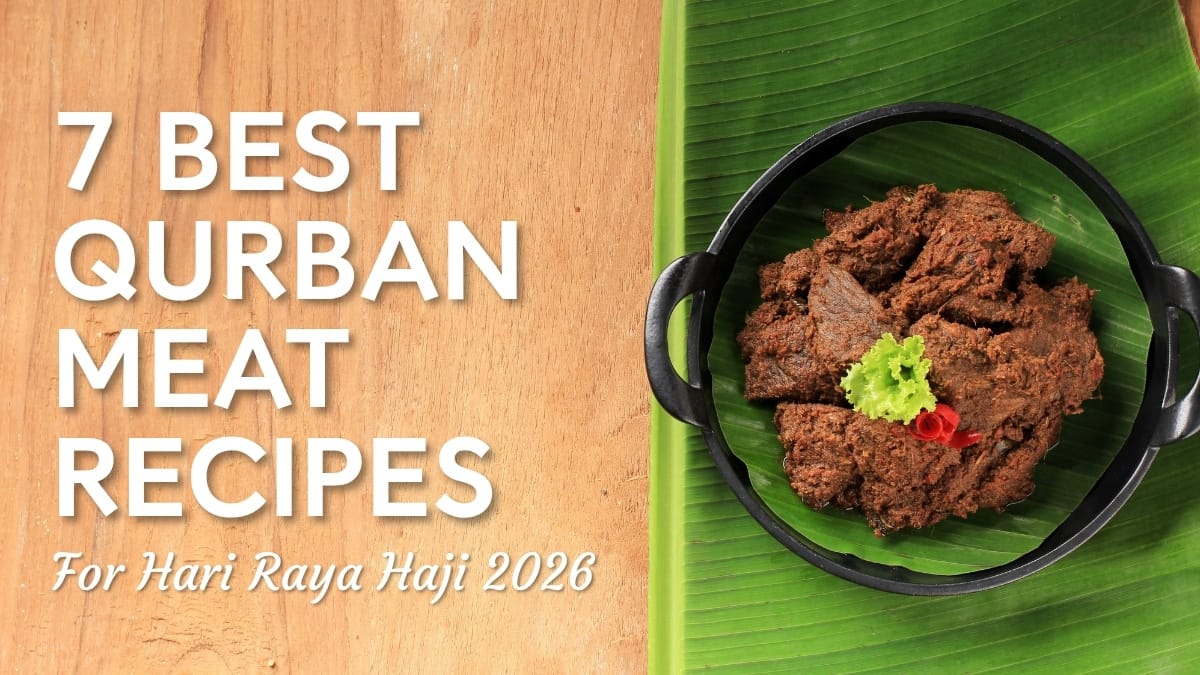
Every Hari Raya Haji, the same thing happens in kitchens all over Malaysia. The morning prayers are done, the qurban ceremony is complete, and suddenly the fridge is fuller than it has ever been. There are bags of fresh beef, cuts of mutton, a pile of bones, and maybe even some offal staring back at you from the counter. You want to do justice to this meat. You want every piece to become something truly delicious. But standing there in the kitchen, you hit that familiar wall: okay, where do I even start?
It is a surprisingly common feeling, even among people who cook every day. Qurban meat arrives all at once, in large quantities, often in cuts you do not see at the wet market on a regular basis. You might receive the leg, the rib, the shank, and the bone — all in one go, all needing attention. The pressure to not waste a single piece is real, and it can make even a confident home cook feel a little overwhelmed.
In this guide you will find a simple explanation of which cut suits which dish, 7 tried-and-loved qurban meat recipes with practical tips for home cooks, a quick guide to storing meat properly so nothing goes to waste, and a full FAQ section to answer every question you might have this Hari Raya Haji 2026.
Why Qurban Meat Feels Different to Cook
Most of the time when we buy meat, we buy exactly what we need for one specific dish. Half a kilogram of beef for a quick masak kicap. A small portion of mutton for a weekend curry. We know what we are going to cook before the meat even enters the kitchen. Qurban meat works differently. It comes in bulk, it comes in multiple cuts at the same time, and it has an emotional weight to it — this is not just groceries, it is something meaningful that deserves to be prepared with care.
There is also the simple matter of variety. A single qurban animal yields many different parts, and each one responds differently to heat, spice, and cooking time. A thick shank that would be divine in a slow-simmered soup would become tough and dry if you tried to flash-fry it. A lean muscle cut that is perfect for masak merah would dissolve into stringy bits if you tried to turn it into rendang. Getting to know your cuts is the first step toward cooking confidently with qurban meat, and once you understand that, the rest becomes much more manageable.
The good news is that Malaysian cuisine is extraordinarily well-suited to qurban meat. Our cooking traditions evolved around whole-animal preparation, slow braising, rich spice-forward curries, and deeply flavoured bone broths. Every single part of a qurban animal has a home in our kitchen. You just need to know which door to open first.
Which Cut Is Best for Which Dish?
Before diving into the recipes, take two minutes to sort your meat by cut. This single step will save you a lot of guesswork and ensure every dish turns out the way it should.
Round / Peha (Thigh) — Best for rendang, masak merah, masak kicap, masak lemak cili api. Cook time: 2 to 3 hours on low heat.
Chuck / Bahu (Shoulder) — Best for gulai, kari, kurma, masak lemak cili api. Cook time: 1.5 to 2 hours.
Shank / Batang Pinang — Best for sup mamak, kari, braised dishes. Cook time: 1.5 to 2.5 hours.
Rib / Iga (Ribs) — Best for sup tulang, masak hitam. Cook time: 2 to 3 hours on a slow simmer.
Leg Bone / Gearbox — Best for sup tulang merah, sup gearbox. Cook time: 3 to 4 hours.
Mutton (all cuts) — Best for gulai kambing, kurma, kari. Cook time: 1.5 to 2 hours.
Pro tip: The moment your qurban meat arrives, divide it by cut before anything else. Label each bag with the cut type and the date. This five-minute task will make the next several days of cooking feel completely organised rather than overwhelming.
How to Store Qurban Meat So Nothing Goes to Waste
One of the most important things you can do on the day you receive qurban meat is to handle storage correctly. Because the meat arrives fresh and in large quantities, improper storage is the number one reason why people end up wasting perfectly good meat in the days that follow. A few simple habits make all the difference.
First, do not wash the meat before freezing it. This is a common habit in Malaysian kitchens, but washing raw meat spreads bacteria around the sink, adds surface moisture that accelerates freezer burn, and shortens the safe storage window. Simply portion the meat, remove as much air as possible from each bag, and freeze it. You wash the meat only when you are ready to cook it.
Second, keep different types of meat separated. Mutton has a stronger aroma than beef, and if the two are stored in loose bags right next to each other, the smell can transfer. Wrap each portion tightly in double zip-lock bags or vacuum-sealed pouches. Label everything clearly with the cut type and the date it was frozen.
Storage at a glance:
- Fresh meat in the fridge (chiller) — up to 3 to 4 days
- Muscle cuts in the freezer, tightly wrapped — up to 3 to 6 months
- Cooked rendang or gulai in the freezer — up to 3 months
- Cooked kurma in the freezer — up to 2 months
7 Best Qurban Meat Recipes to Try This Hari Raya Haji 2026
These seven recipes cover the full range of what your qurban meat can become — from slow-cooked classics that will fill your home with the most incredible aroma, to quick weeknight dishes that get dinner on the table without fuss. Each one is suited to home cooks of all levels, and none of them require any special equipment beyond a good pot or pan.
Recipe 1 — Rendang Daging
If there is one dish that defines Hari Raya Haji cooking in Malaysia, it is rendang daging. This slow-cooked dry curry is the reason kitchens across the country fill with the smell of lemongrass, galangal, toasted coconut, and rich coconut milk from early morning. It is the dish families are waiting for. It is also, for many home cooks, the one they feel the most pressure to get right.
The beauty of rendang is that it rewards patience more than skill. You do not need any advanced technique. You need good quality meat, a complete spice paste, full-fat coconut milk, and time. The process involves simmering everything together over low heat until the coconut milk gradually reduces, the oil separates from the coconut solids, and the spices dry-fry into the meat. That moment when the oil separates — called pecah minyak in Malay — is the moment you know your rendang is on its way to being something extraordinary.
Qurban meat is actually ideal for rendang because fresh beef from the thigh or shoulder has the right fat-to-muscle ratio for a long braise. The fat melts slowly into the dish, keeping the meat moist and adding richness to the overall flavour. Rendang made from fresh qurban beef has a depth that is noticeably different from rendang made with supermarket-packaged cuts, and this is something worth taking full advantage of this Hari Raya Haji.
One practical note: rendang genuinely gets better on day two and day three. If you are cooking for a gathering, make your rendang the day before. The spices continue to develop overnight and the meat absorbs even more flavour by the time it is reheated. This also frees up your cooking time on the actual day of celebration.
Quick checklist:
- Best cut: thigh (peha) or shoulder (bahu), cut into 4cm chunks
- Cook low and slow for at least 2 to 3 hours
- Stir every 15 to 20 minutes once the coconut milk begins to thicken
- Wait for pecah minyak (oil separation) before switching to very low heat for the final stage
- Add kerisik (toasted grated coconut) in the last 20 minutes for authentic texture and depth
- Stores well in the fridge for up to a week, or in the freezer for 3 months
Search rendang daging recipes on Cookpad: https://cookpad.com/my/search/rendang%20daging
 Azie
Azie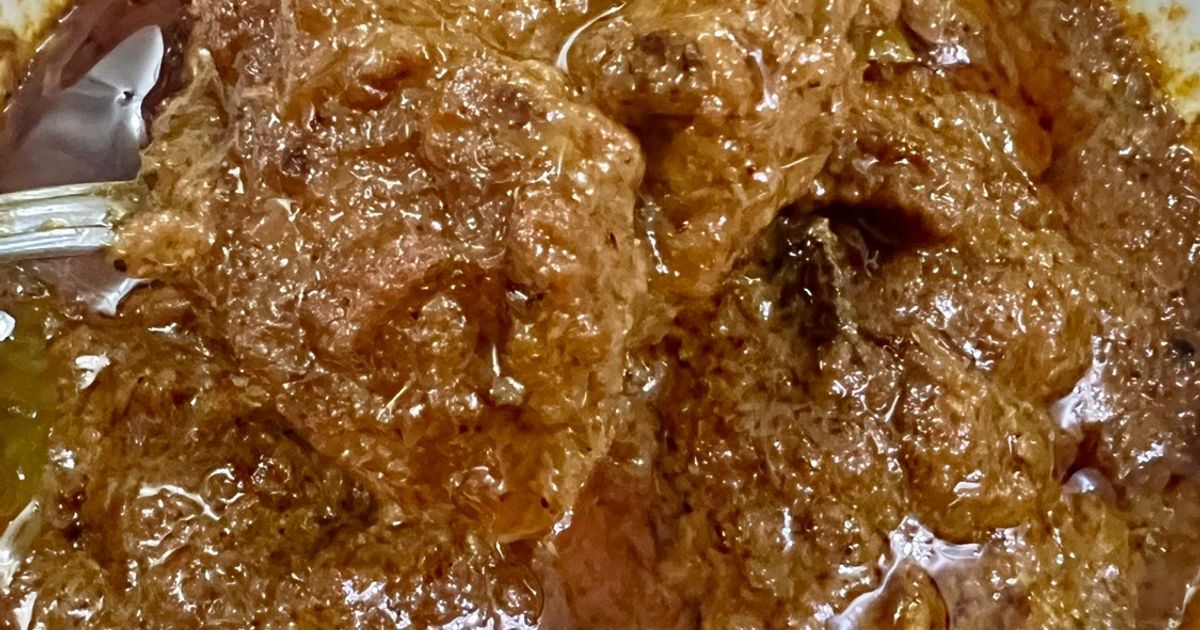
Recipe 2 — Sup Tulang (Bone Soup)
Many people receive bones as part of their qurban share and are unsure what to do with them. Some wrap them up and put them at the back of the freezer, where they quietly remain for months. This is a genuine shame, because qurban bones — particularly rib bones and leg bones — make the most magnificent soup you will ever taste.
The reason bone soup from qurban meat is so special comes down to freshness. The bones are not previously frozen, they have not been stored for an extended period, and the natural collagen and marrow are fully intact. When you simmer these bones slowly over three to four hours, that collagen dissolves into the broth and creates a naturally rich, full-bodied texture that no store-bought stock cube can replicate. The broth will have a quiet sweetness that comes entirely from the bone and marrow — nothing added, nothing manufactured.
In Malaysia, there are two beloved versions of bone soup. The clear version — sup tulang bening — is a lighter, more delicate broth flavoured with ginger, star anise, cinnamon, cardamom, and a bundle of spring onions and celery. It is warming, aromatic, and beautiful in its simplicity. The red version — sup tulang merah — is bolder and richer, built with tomato puree, chilli paste, and fried shallots to create a deeply savoury, full-flavoured soup that you eat with French bread for dipping. Both are spectacular, and the choice comes down entirely to personal preference.
One small tip that makes a big difference: blanch the bones in boiling water for five minutes before you begin your main simmer. Pour that first water away. This removes any residual blood or bone fragments, and results in a cleaner, clearer broth in the final dish.
Quick checklist:
- Best cuts: rib bones, leg bones (gearbox), or shank
- Blanch bones for 5 minutes and discard the water before the main simmer
- Simmer on low heat for at least 2 to 3 hours — do not boil aggressively
- For clear soup: add ginger, star anise, cinnamon stick, cardamom, and celery
- For red soup: add tomato puree, fried shallots, and chilli paste
- Serve hot with fried shallots, sliced spring onion, and a wedge of lime
Search sup tulang recipes on Cookpad: https://cookpad.com/my/search/sup%20tulang
Muniroh Annuar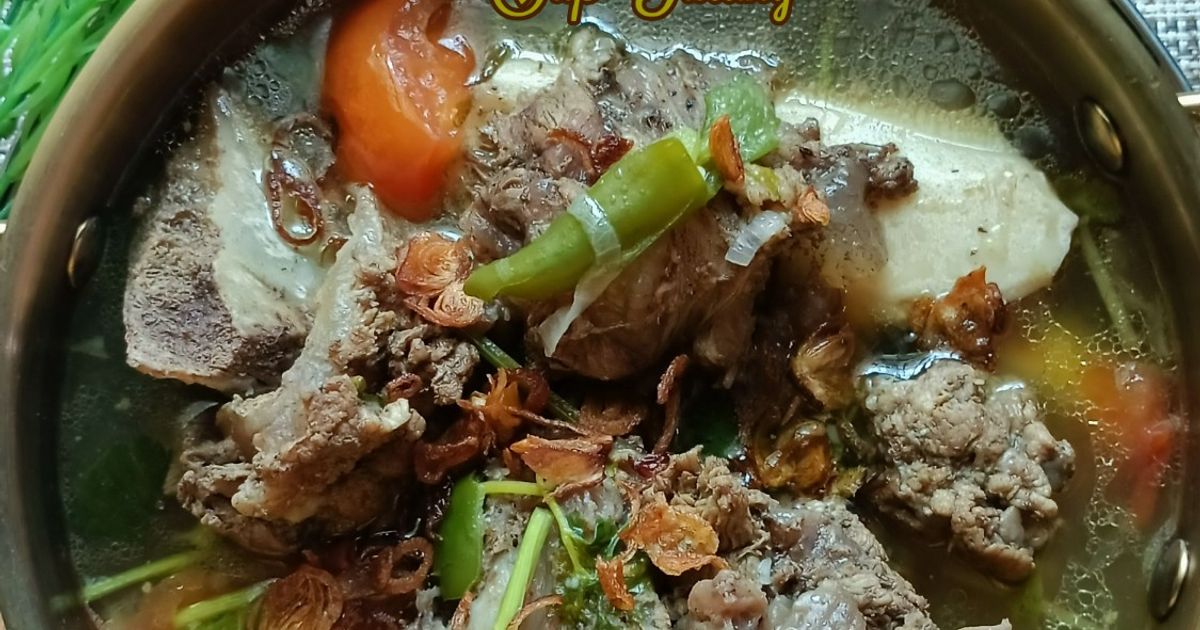
Recipe 3 — Daging Masak Merah
Daging masak merah holds a special place at the Malaysian festive table. When it is done properly, the meat is coated in a deep red sauce that is simultaneously spicy, savoury, and lightly sweet — a balance of flavours that is distinctly Malaysian and incredibly satisfying. Visually, it is also one of the most stunning dishes you can set on a table, with that glossy red colour that catches the light and makes everyone lean in for a closer look.
The dish is built on a base of blended chillies, shallots, garlic, and ginger, cooked down slowly in oil until the raw smell disappears and the paste transforms into something sweet and caramelised. Tomatoes or tomato puree are added to round out the flavour and deepen the colour. The meat goes in once the paste is cooked through, and the whole thing simmers until the sauce thickens around each piece.
The most common mistake people make with masak merah is undercooked paste. If you rush the tumis stage — the frying of the spice paste — the finished dish will taste raw and flat rather than rich and layered. You know the paste is ready when the oil visibly separates around the edges and the colour has darkened from bright red to a deeper, more burnished shade. That transformation takes about fifteen to twenty minutes over medium heat. Be patient here, because this is where the entire flavour of the dish is built.
Quick checklist:
- Best cut: round (peha) or shank (batang pinang), cut into medium chunks
- Fry the spice paste for at least 15 to 20 minutes until oil separates
- Add a little tomato or tomato puree for colour depth and a gentle sweetness
- Add a small piece of tamarind paste or a squeeze of lime juice at the end to balance the richness
- Simmer with the lid slightly off to let the sauce reduce and cling to the meat
- Pairs beautifully with nasi himpit, ketupat, or plain white rice
Search daging masak merah recipes on Cookpad: https://cookpad.com/my/search/daging%20masak%20merah
Nor Al Fatihah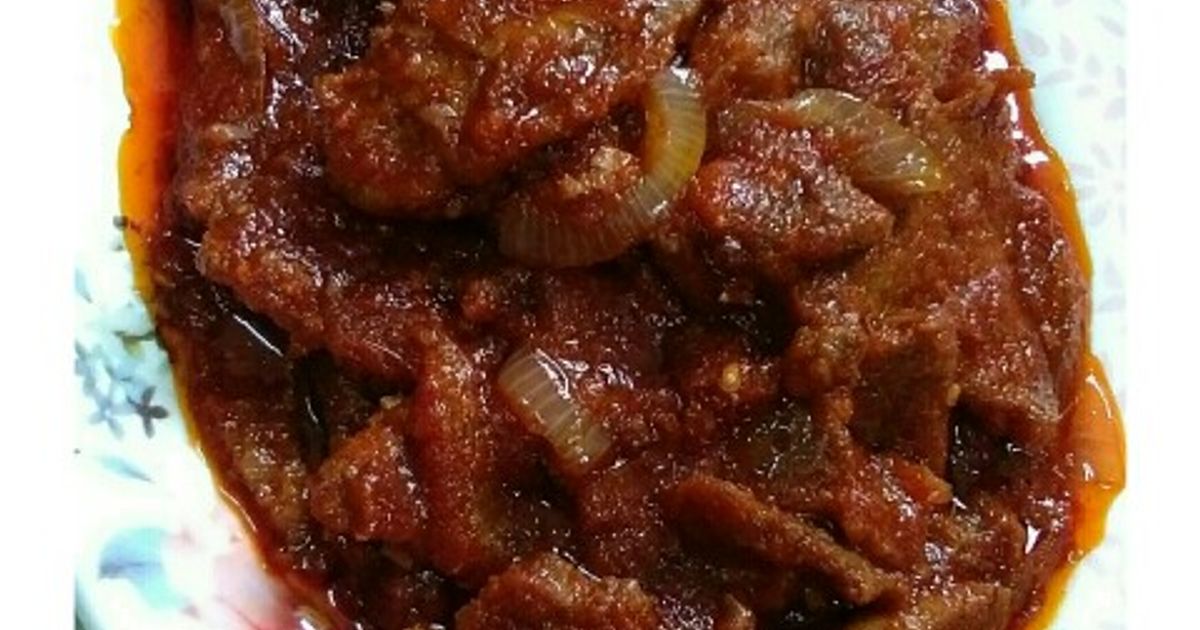
Recipe 4 — Gulai Daging Kambing (Mutton Curry)
If your qurban share includes mutton, gulai is the recipe you want. The combination of rich coconut milk, turmeric, chillies, and warming whole spices was essentially designed to work with mutton. Where mutton's strong, distinctive flavour can feel overpowering in a lighter dish, it becomes an asset in gulai — the robust taste of the meat stands up to the spices and the two meet in the middle, creating something that is much greater than the sum of its parts.
A good gulai kambing has a bright yellow-orange colour from turmeric and chilli, a sauce that is thick but not heavy, and meat that has been cooked long enough to become truly tender without falling apart entirely. The whole spices — cardamom pods, a cinnamon stick, cloves, and star anise — are toasted in hot oil before anything else is added, which blooms their essential oils and sends the most incredible fragrance through the kitchen. That is the moment your family will come wandering in from wherever they are to see what is cooking.
One technique that makes a significant difference with mutton is marinating the meat before cooking. A simple marinade of ginger paste, a little lime juice, and a pinch of turmeric for thirty minutes draws out excess moisture and begins breaking down the proteins, which means the meat will cook faster and absorb the gulai spices more readily. It is a small extra step that noticeably improves the final result.
Quick checklist:
- Best cut: shoulder or leg of mutton, bone-in pieces preferred for flavour
- Marinate with ginger paste, lime juice, and turmeric for at least 30 minutes
- Toast whole spices (cardamom, cinnamon, cloves, star anise) in oil first
- Use full-fat coconut milk for a richer, more authentic texture
- Simmer for 1.5 to 2 hours on low heat until the meat is fork-tender
- Serve with roti canai, naan, or rice for a full meal
Search gulai daging kambing recipes on Cookpad: https://cookpad.com/my/search/gulai%20daging%20kambing
Syima Yusof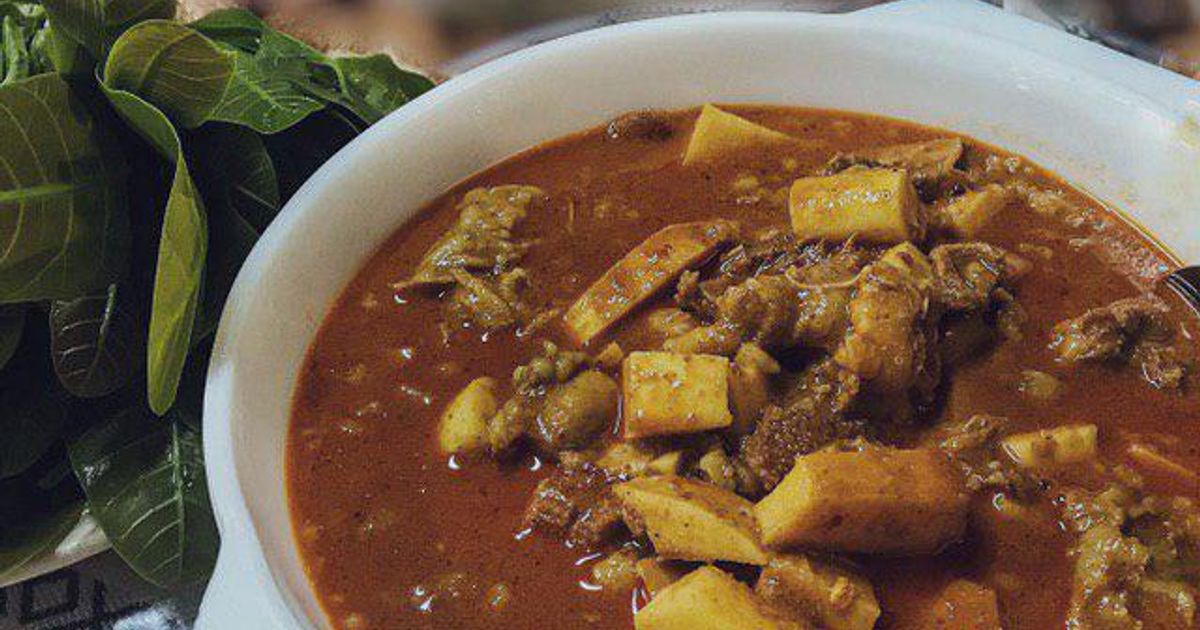
Recipe 5 — Daging Masak Kicap (Soy-Braised Beef)
Not every meal during the Hari Raya Haji holiday needs to be a slow, all-day affair. Sometimes you need something that comes together in under an hour, uses pantry staples you already have, and tastes genuinely good without any complicated technique. Daging masak kicap is exactly that recipe.
Built around sweet soy sauce (kicap manis) and dark soy sauce (kicap pekat), this dish has a beautifully lacquered, glossy sauce that coats the beef with a balance of sweet, salty, and subtly smoky flavour. Aromatics like ginger, garlic, and big slices of onion add body and fragrance. Black pepper gives it a gentle kick. The whole dish comes together in one pot and requires almost no special preparation.
Daging masak kicap is also one of the best dishes for cooking in large quantities. It scales up effortlessly, holds well at room temperature during a gathering, and is forgiving to reheat. If you are expecting visitors and need to prepare something ahead of time, this is a strong choice. Adding potatoes or carrots to the pot makes it more substantial and helps the sauce stretch further across a larger group.
Quick checklist:
- Best cut: round or shank, sliced or left in medium chunks
- Use both kicap manis and kicap pekat for the right colour and flavour balance
- Add big slices of onion, whole garlic cloves, and crushed ginger
- Optional additions: potatoes, carrots, or hard-boiled eggs
- Simmer for 45 to 60 minutes until the sauce thickens and the meat is tender
- Add cracked black pepper generously — it makes a real difference here
Search daging masak kicap recipes on Cookpad: https://cookpad.com/my/search/daging%20masak%20kicap
0h Hana !!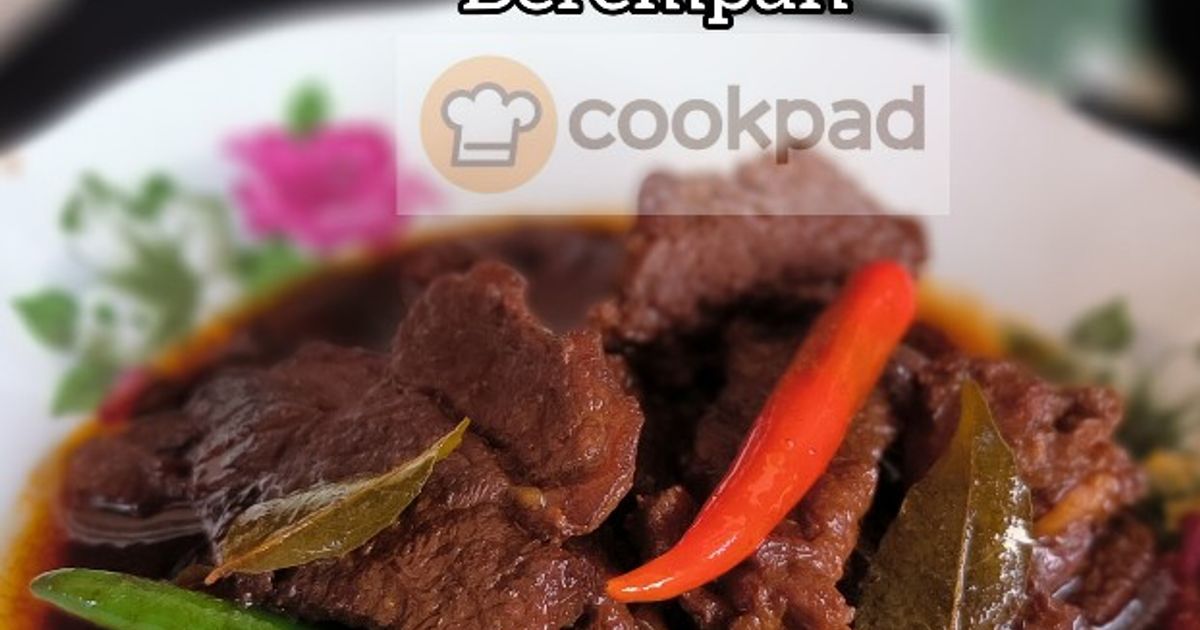
Recipe 6 — Daging Masak Lemak Cili Api
If you ask any Malaysian home cook what dish makes the best use of fresh beef, masak lemak cili api will be somewhere near the top of the list. This is a dish from the Negeri Sembilan tradition, built around turmeric-rich coconut milk and the sharp, distinctive heat of cili api — the small, fiery bird's eye chilli that gives the dish both its name and its personality. The result is a golden-yellow curry with a creamy, fragrant broth and a slow-burning heat that lingers just long enough to keep you reaching for another spoonful.
What makes masak lemak cili api particularly well-suited to qurban meat is the coconut milk base. Fresh beef — especially cuts from the shoulder or round — releases natural juices as it simmers, and those juices enrich the coconut broth in a way that packaged or previously frozen meat simply cannot replicate. The broth absorbs the beefy depth and turns into something extraordinary. This is one of those dishes that makes people stop mid-conversation at the table.
The technique is straightforward but requires attention at two key moments. The first is when you add the coconut milk — it must go in over low heat, and you must stir continuously to prevent it from splitting. The second is seasoning. Masak lemak cili api should taste of coconut, turmeric, and clean heat in equal measure. Taste as you go and adjust the salt and the number of cili api to your family's preference. Some households like it mild and fragrant; others want the full heat. Both are correct.
Quick checklist:
- Best cut: shoulder (bahu) or round (peha), cut into medium chunks
- Use fresh turmeric if available — it gives a more vibrant colour and flavour than powder
- Blend cili api, shallots, lemongrass, and fresh turmeric together for the paste
- Add coconut milk over low heat and stir continuously — never let it boil hard
- Simmer gently for 1.5 to 2 hours until the meat is tender and the broth has thickened slightly
- Taste and adjust salt before serving — the coconut milk can mute seasoning
Search daging masak lemak cili api recipes on Cookpad: https://cookpad.com/my/search/daging%20masak%20lemak%20cili%20api
Azie Ramlee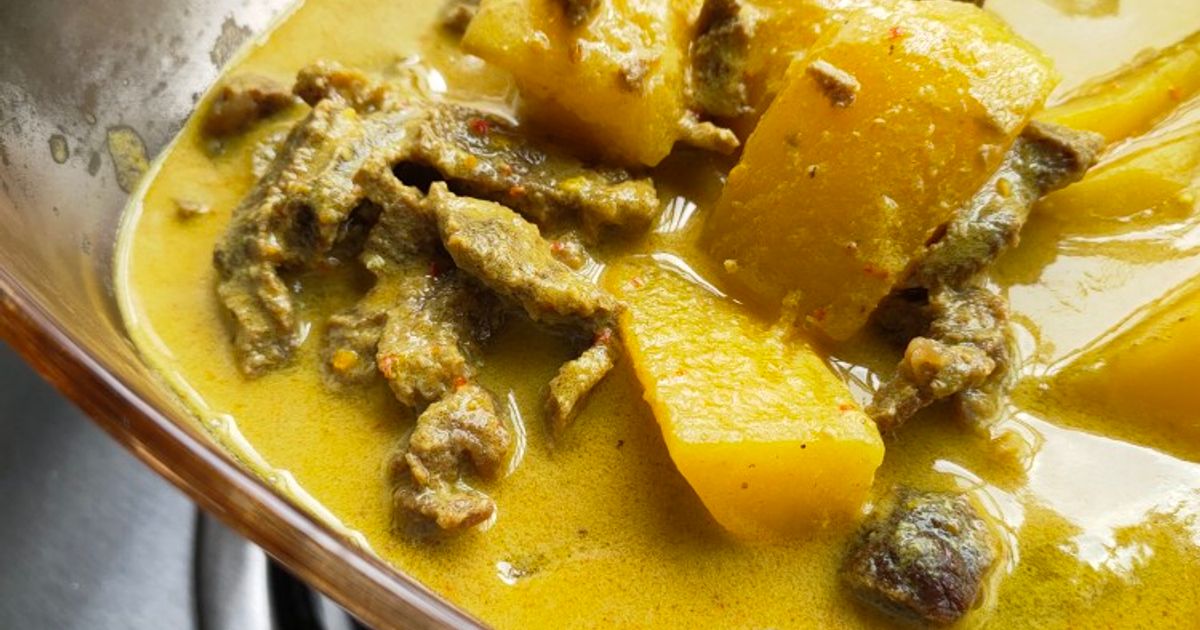
Recipe 7 — Kurma Daging
Kurma daging is the dish that bridges the familiar and the festive. It sits somewhere between a curry and a braised stew — milder than rendang, gentler than gulai, but with a warmth and fragrance that makes it feel completely at home on a Hari Raya Haji table. If your household includes children, elderly family members, or guests who prefer less heat, kurma daging is the dish that everyone will reach for without hesitation.
The flavour of kurma comes primarily from a blend of warm, aromatic spices — coriander, cumin, fennel, cardamom, cinnamon, and cloves — rather than from chilli heat. Yoghurt or evaporated milk is sometimes added near the end of cooking to give the sauce a creamy, slightly tangy richness that sets it apart from a standard curry. The colour is a deep golden-brown, and the sauce is thick enough to coat each piece of meat generously without being heavy.
One thing that surprises many home cooks the first time they make kurma is how much flavour depth comes from the whole spices toasted at the very beginning. Do not skip this step. Adding cardamom pods, a cinnamon stick, cloves, and star anise to hot oil and letting them sizzle for thirty seconds before anything else goes in releases their essential oils into the cooking fat, and that foundation carries through every stage of the dish. It is a small habit that makes a large difference.
Kurma daging also reheats exceptionally well, which makes it a practical choice for a festive day when the kitchen is busy. Make it the evening before, let the spices continue developing overnight, and reheat gently before serving. The sauce will have thickened further and the meat will be even more tender.
Quick checklist:
- Best cut: shoulder (bahu) or round (peha), cut into medium chunks
- Toast whole spices in oil first — cardamom, cinnamon, cloves, and star anise
- Use kurma powder or a blend of coriander, cumin, and fennel as the base spice
- Add yoghurt or evaporated milk in the last 20 minutes for a creamy, rounded sauce
- Simmer on low heat for 1.5 to 2 hours until the meat is tender and the sauce is thick
- Serve with nasi minyak, roti jala, or plain white rice
Search kurma daging recipes on Cookpad: https://cookpad.com/my/search/kurma%20daging
Ziana Chesaad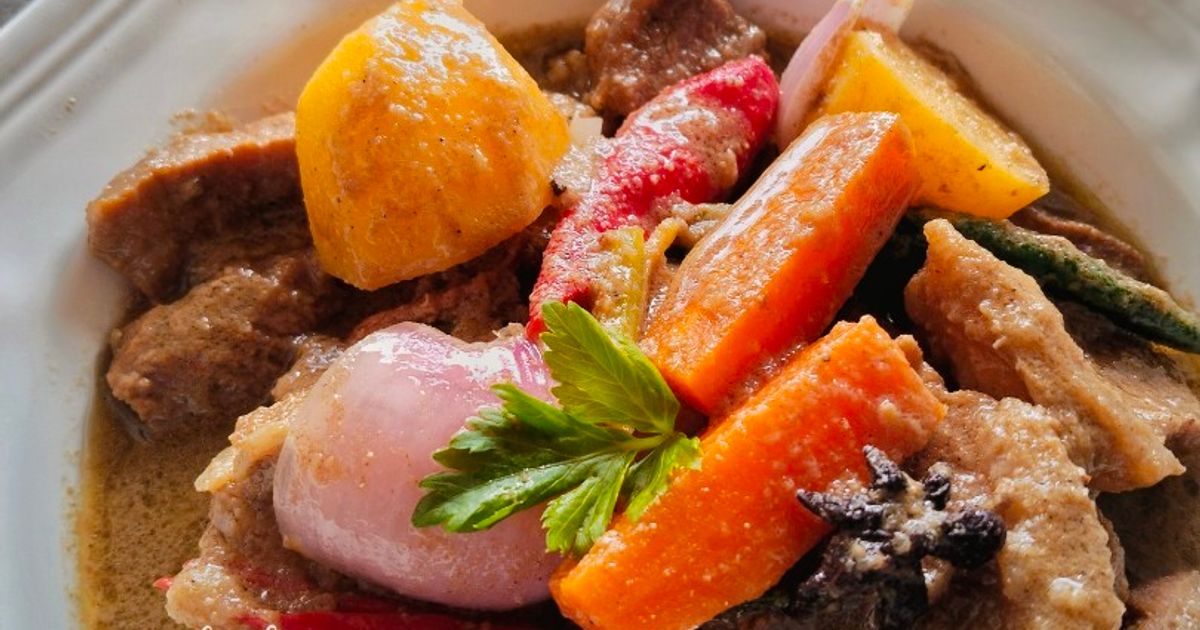
What Are You Cooking With Your Qurban Meat This Year?
Every family has their own version of these dishes — a grandmother's rendang that uses a spice ratio nobody else knows, a soup that tastes different every single year and yet somehow always tastes exactly right. These recipes deserve to be shared and preserved. Upload your qurban meat recipe to Cookpad, write your own notes and personal tips, and let other home cooks across Malaysia discover it. Your recipe might be exactly what another family needs this Hari Raya Haji 2026.
Share your recipe here: https://cookpad.com/my/publish
Frequently Asked Questions
What can I cook with qurban meat?
Qurban meat is one of the most versatile ingredients in Malaysian cooking. Depending on the cut you have received, you can make rendang daging, sup tulang, daging masak merah, gulai daging, daging masak kicap, kurma daging, or daging masak lemak cili api. Tougher cuts with more connective tissue — like shank and bone-in rib — are best suited to long, slow cooking methods like soup and braise. Leaner muscle cuts work well in quicker preparations like masak kicap or masak merah. Coconut milk-based dishes like kurma and masak lemak are ideal for fresh cuts from the shoulder or round.
How long can I store qurban meat in the fridge or freezer?
In the fridge (chiller), fresh qurban meat will keep safely for 3 to 4 days. In the freezer, properly wrapped muscle cuts will stay good for 3 to 6 months. Cooked dishes like rendang or gulai can also be frozen and will keep well for up to 3 months. Offal — liver, lung, kidney — should be refrigerated and cooked within 1 to 2 days, as it deteriorates faster than regular muscle meat.
How do I make rendang daging that is tender and not tough?
The most important variable is the cut of meat. Use thigh (peha) or shoulder (bahu) rather than lean cuts, as the fat and connective tissue in these cuts break down during the long cook and keep the meat moist. Cook over low heat for a minimum of two hours, stirring regularly, and let the coconut milk reduce naturally until the oil separates. This process — known as pecah minyak — is a reliable indicator that your rendang has reached the right stage. Rushing this process, or cooking over high heat to save time, is the most common reason rendang turns out tough or dry.
Should I wash qurban meat before freezing it?
No. Washing raw meat before freezing spreads bacteria and introduces surface moisture that causes freezer burn, which degrades the quality of the meat over time. The correct approach is to portion the meat by cut, wrap each portion tightly in zip-lock bags with as much air removed as possible, label each bag with the date and cut type, and freeze immediately. Wash the meat only when you take it out of the freezer and are ready to cook it.
Which part of the qurban animal is best for soup?
Bones are the foundation of any great Malaysian bone soup. The most flavourful results come from rib bones, leg bones (gearbox or kuku), and shank bones, all of which are rich in collagen and marrow. As these bones simmer slowly over several hours, the collagen dissolves into the broth and creates a naturally thick, sweet, and deeply satisfying stock. The marrow adds another layer of richness that you cannot achieve with boneless cuts. Blanching the bones in plain boiling water for five minutes before the main simmer will give you a cleaner, clearer broth.
Can I cook qurban meat straight away without freezing first?
Yes, and fresh meat that has never been frozen is at its absolute quality peak. If you plan to cook the majority of your share within the first two days, go ahead and cook it fresh. The only reason to freeze is to safely extend the usable window for meat you cannot cook in time. If you have received a large amount, cook the offal and the most perishable cuts first while they are freshest, and freeze the larger, more robust muscle cuts for cooking over the following weeks.
What recipe is best for cooking qurban meat for a large gathering?
Rendang daging is the gold standard for kenduri cooking. It scales up very well, holds safely for several hours at room temperature during a meal, and tastes noticeably better on the day after it is cooked as the spices continue to develop. Gulai daging is equally suitable for large batches and is a great option if some of your guests prefer a dish with more sauce to serve over rice. If time is short, daging masak kicap is the quickest to prepare in large quantities and is consistently well-received by guests of all ages.
How do I reduce the strong smell of mutton qurban meat?
Marinating is the most effective method. Rub the mutton with a paste of fresh ginger, a squeeze of lime juice, and a pinch of turmeric and let it sit for at least thirty minutes before cooking. The ginger and lime work together to neutralise the stronger aromatic compounds in mutton. When you begin cooking, bloom your whole spices — cardamom, cinnamon, cloves, and star anise — in hot oil before adding anything else. These spices complement mutton's natural flavour profile beautifully and work with it rather than against it. Blanching the meat briefly in boiling water with a few slices of ginger before adding it to your main curry pot also significantly reduces the gamey note.
Selamat Menyambut Hari Raya Aidiladha 2026. However much or little cooking experience you bring to the kitchen this year, remember that the best meals come from cooking with intention and sharing the result with people you love. These recipes are a starting point — adjust the spice, follow your instincts, and make each dish your own. That is, after all, what cooking has always been about.