

Can You Eat Carving Pumpkins? What to Save Before You Carve
Check whether your carving pumpkin is suitable for cooking, separate the fresh seeds and scrapings, and choose recipes before putting the lantern on display.
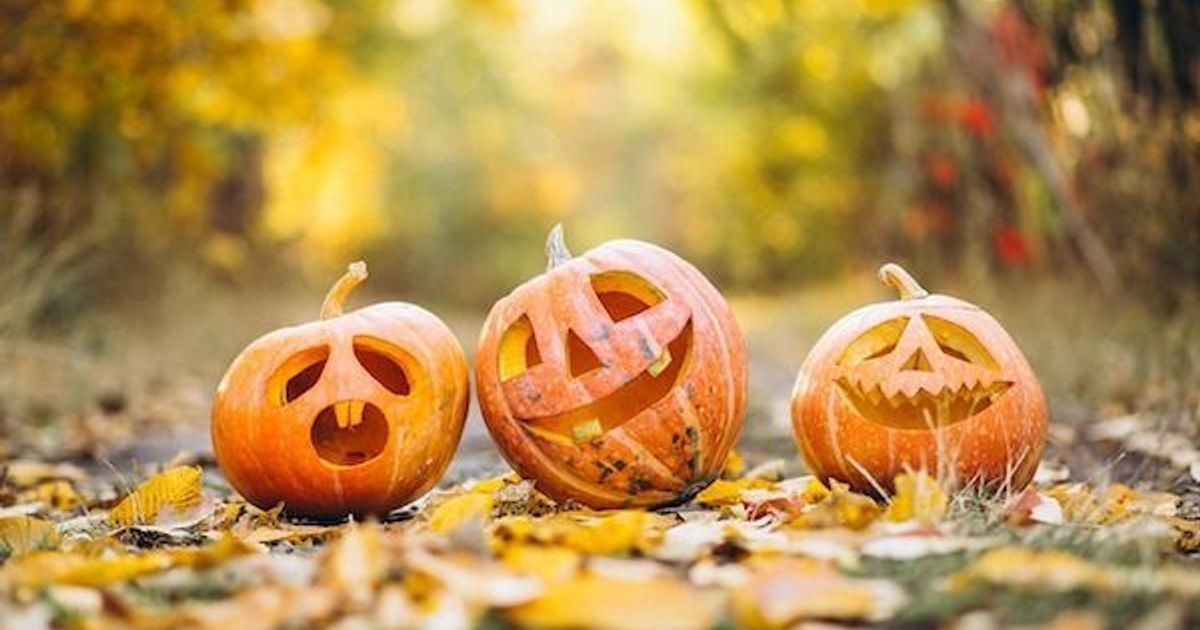
Yes, carving pumpkins can be used for cooking, provided they are suitable for eating and have been handled as food. The useful moment to save their seeds, stringy insides and clean flesh is while you are preparing the pumpkin, before it becomes a Halloween decoration.
A fresh bowl of pumpkin scrapings and a jack-o’-lantern that has spent time on display need different decisions. This guide focuses on what to reserve for the kitchen during carving, with recipes for the seeds and fibres you might otherwise discard.
Are supermarket carving pumpkins edible?
Many supermarket carving pumpkins are edible, but check the label before cooking. Do not use pumpkins marked unsuitable for eating or gourds sold as non-edible decorations. If the information is unclear, ask the retailer or grower.
Carving pumpkins often have a milder flavour and more watery, fibrous flesh than varieties grown mainly for cooking. Use clean, fresh pieces in soup with a flavoursome stock, or add them to a seasoned stew.
If you are buying mainly to cook, choose a pumpkin sold for eating. If you already have a suitable carving pumpkin, you can still put its fresh flesh and seeds to use while preparing your Halloween decoration.
What to save before your pumpkin goes on display
Before starting, wash the pumpkin’s outside and prepare clean bowls and utensils. Keep the ingredients you want to cook separate from paint, glue, candles and other decorating materials.
As you scoop, separate the whole seeds from the orange fibres and reserve any clean pieces of firm flesh removed during preparation. Refrigerate these ingredients promptly if you are not cooking immediately.
Plan your recipes around the fresh ingredients reserved during carving. For a carved shell that has already been used as a decoration, follow the composting guidance below.
Pumpkin insides: seeds, stringy fibres or firm flesh?
‘Pumpkin guts’, ‘insides’ and ‘pulp’ can describe different things in a recipe. Look at what you have before choosing what to make:
- Whole seeds: the pale seeds with an outer shell, tangled among the fibres. Clean them before roasting. They differ from the green, shelled pepitas sold in packets.
- Stringy fibres: the soft orange strands surrounding the seeds. Once separated, these can be used in a recipe written specifically for pumpkin scrapings, such as Vicky’s soup below.
- Firm flesh: the thicker pumpkin wall beneath the skin. Clean pieces can be cooked in chunks or cooked and blended into purée.
The skin is a separate consideration. Its tenderness depends on the variety; a large carving pumpkin may have a tough rind that is not pleasant to eat. There is no need to force every part into the same dish.
Roast the seeds you saved while carving
Yui Miles’s recipe starts with raw seeds scooped from a fresh pumpkin, making it a useful match for the bowl beside your carving board. It uses salt and pepper, with an optional drizzle of honey.
Her method includes a 30-minute soak, rinsing to remove clinging pumpkin, and drying on a kitchen towel before the seeds go on a baking tray. They then roast at approximately 120°C for 30–45 minutes. Allow for the soaking and drying as well as the oven time; the displayed recipe time does not cover every stage.
Removing the fibres first keeps pieces of pumpkin from clinging to your finished snack. Give the seeds time to dry before roasting, and follow the chosen recipe’s method throughout rather than borrowing the cooking time from a recipe for shelled pepitas.
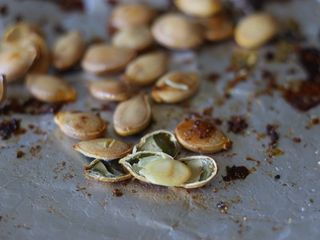
For other seasonings, explore roasted pumpkin seed recipes. Check that the recipe uses whole seeds like yours, rather than shelled seeds.
Turn the stringy scrapings into soup
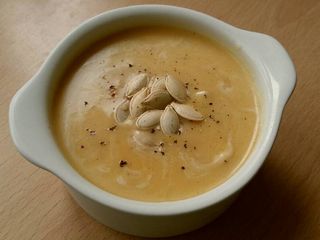
Vicky’s Cream of Carved Pumpkin Soup uses the fibres and scrapings themselves, rather than asking you to replace them with firm pumpkin cubes. Onion, stock, coconut milk and nutmeg turn that bowl of stringy ingredients into a blended soup.
Check your quantity first: the recipe calls for 1,000 g of scrapings and makes six servings. The pumpkin cooks with onion, then simmers in stock until well cooked before blending. Coconut milk and seasoning finish the soup. Choose vegetable stock if you want a meat-free version.
This is a useful distinction when browsing pumpkin soup recipes: many use firm flesh or purée, while this one is written for the stringy material from the centre. Choose according to the ingredient you have.
What about the firm flesh and skin?
Clean pieces of firm flesh reserved during carving can go into a recipe that specifies fresh pumpkin. Keep them separate from the fibres so you can judge their quantity and choose the appropriate preparation.
For roasting, making purée, deciding whether to peel, and choosing dishes for a whole cooking pumpkin, use our guide to preparing and cooking your whole pumpkin.
For baking, check the ingredient description especially carefully. Cooked pumpkin purée, canned purée and raw stringy scrapings are not automatic substitutes for one another; follow a recipe written for the form you have.
Store the food separately from the decoration
Keep the fresh ingredients you reserved covered in the fridge and plan to use them promptly. If you are saving pumpkin for another day, cooking and freezing suitable portions is another option; label them clearly so you know whether you have chunks, purée or soup.
For cooked pumpkin and prepared dishes, the Food Standards Agency’s chilling guidance recommends cooling food and refrigerating it within one to two hours, then eating leftovers within 48 hours or freezing them. Divide larger amounts into smaller containers to help them cool.
That is guidance for properly handled cooked food, not a storage allowance for a carved lantern or raw pumpkin fibres.
When composting is the better option
Once your pumpkin has finished its job as a jack-o’-lantern, our recommendation is to compost it or use a suitable local food-waste collection. Remove candles, lights and other decorations, and check what your council accepts, particularly if the pumpkin was painted or treated.
Do not leave it in woodland or other public green spaces as food for animals. Forestry England explains why discarded pumpkins can harm wildlife and recommends composting pumpkins that are no longer suitable for eating.
More Halloween cooking ideas
For food to serve alongside your pumpkin creations, explore our spooky Halloween party food and Halloween ideas featuring fruit and vegetables.
Made one of the recipes? Share a Cooksnap on the recipe page to show the author how it turned out.
Have your own way to use the fresh ingredients saved while carving? Publish your recipe on Cookpad and help another home cook put them to use.