

How to Make Granola at Home: Complete Guide
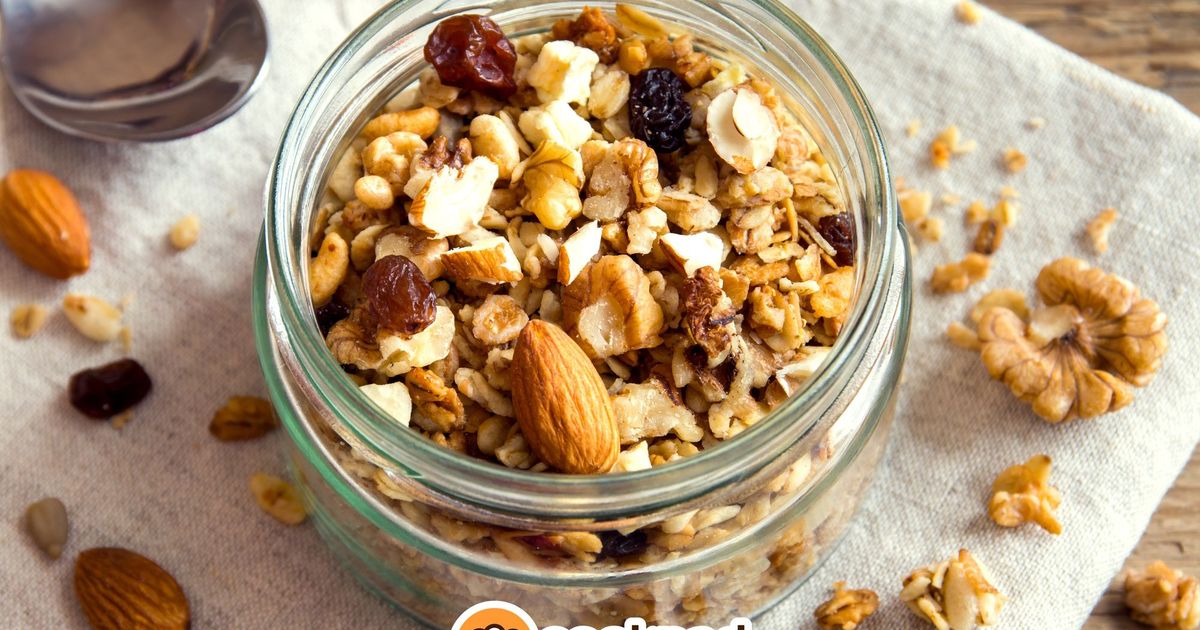
Granola continues to be one of the most loved breakfast staples in UK kitchens. It’s practical, endlessly customisable and fits perfectly into modern healthy lifestyles. From breakfast bowls to snacks and desserts, understanding how granola works helps you create better flavours, textures and nutrition — every single time.
Whether you’re interested in a classic homemade granola recipe, looking for healthy granola bars, or exploring gluten free granola and chocolate granola, this guide brings everything together in one place.
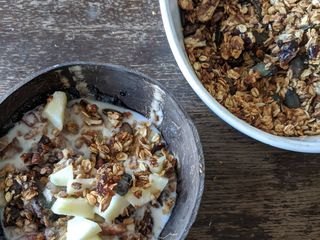
What Is Granola, and Why Is It So Popular?
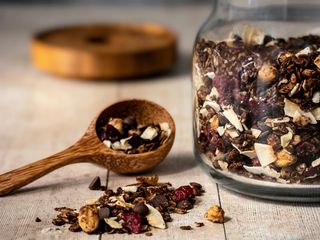
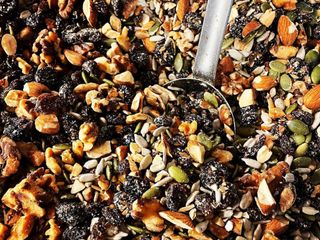
Granola is a baked mixture of grains, nuts, seeds and natural sweeteners that forms crunchy clusters after cooling.
It’s popular because it’s:
- Easy to customise
- Suitable for many dietary needs
- Perfect for busy mornings
- Great for both sweet and savoury pairings
More people are searching for a simple granola recipe not just for convenience, but to better control ingredients and nutrition.
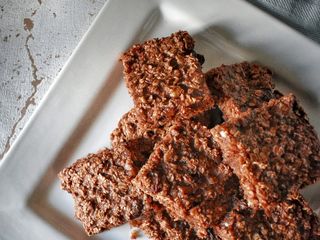
How to Make Granola That Tastes Great Every Time
Understanding granola starts with understanding balance.
Great granola is built on four elements:
🌾 The base
Usually oats or alternative grains like quinoa flakes. If you want gluten free granola, always choose certified gluten-free oats.
🌰 Texture and crunch
This comes from nuts, seeds and coconut flakes, giving richness and depth.
🍯 Natural sweetness
Used for flavour, binding and caramelisation. It also plays a key role in how clusters form.
✨ Flavour boosters
Spices, vanilla, cocoa powder or citrus zest help you create different styles of granola: from classic to chocolate granola.
Once you understand these elements, you can adapt granola to almost any taste or dietary direction.
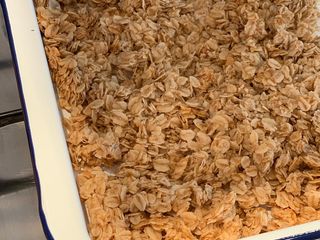
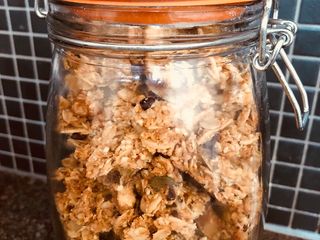
Gluten Free Granola: Important Tips
If you’re making or buying gluten free granola, it’s essential to check labels, as many oats are cross-contaminated during processing.
Popular gluten-free alternatives include:
- Buckwheat
- Puffed rice
- Quinoa flakes
- Mixed seeds
Gluten-free granola is also gaining popularity among people simply looking for lighter, easier-to-digest breakfast options.
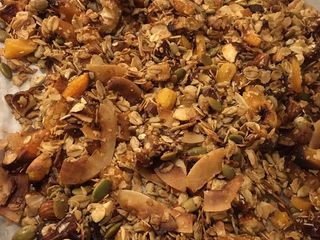
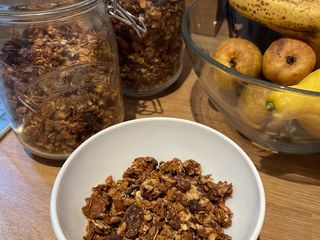
Chocolate Granola: When Breakfast Meets Dessert
Chocolate granola has become a huge trend, especially among those who enjoy sweet breakfasts and snack bowls.
Why people love it:
- Works perfectly with yogurt and fruit
- Makes breakfast feel indulgent
- Doubles as a dessert topping
Using quality cocoa and balancing sweetness is the key to keeping it rich without being overwhelming.
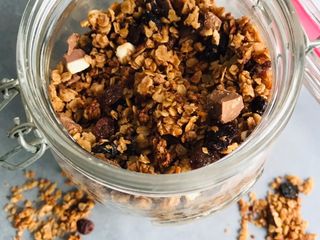
Healthy Granola Bars: The Power of Portable Energy
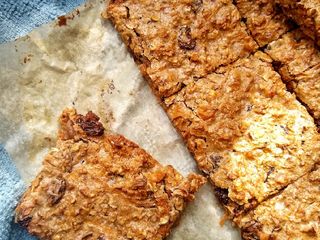
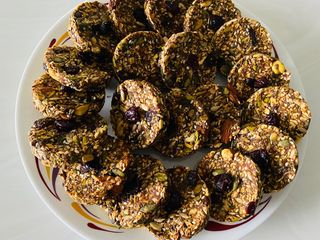
Search interest for healthy granola bars and how to make granola bars continues to grow as more people look for nutritious snacks.
Granola bars are ideal for:
- School lunchboxes
- Workday snacks
- Outdoor activities
- Post-workout fuel
The main difference between loose granola and bars is texture and structure — the balance between dry ingredients and natural binders determines how firm or soft they turn out.
Common Granola Mistakes to Avoid
Even experienced home cooks make these errors:
Overcrowding the mixture
Too many ingredients prevent proper baking and reduce crunch.
Adding dried fruit too early
It can burn and lose texture — timing matters.
Skipping the cooling stage
Granola becomes crisp during cooling, not while baking.
How to Store Granola Properly
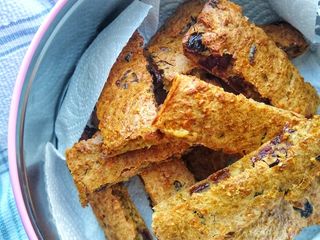
Good storage keeps flavour and texture intact for weeks.
Best practices:
- Use airtight containers
- Store in a cool, dry place
- Avoid humidity and fridge storage
Well-stored granola stays fresh, crunchy and flavourful much longer.
Frequently Asked Questions
What makes granola crunchy?
Crunch comes from proper baking and cooling combined with the right balance of wet and dry ingredients.
Can granola be part of a healthy diet?
Yes. Especially when sugar levels and fats are controlled.
Why does granola sometimes turn out soft?
This usually happens due to high humidity or insufficient cooling time.
What’s the difference between granola and muesli?
Granola is baked and crunchy, while muesli is raw and usually softer.
You may also like
How to Make Mince Pies: Tradition, Tips & Delicious Modern Twists