Edamame (枝豆) are young, immature soybeans harvested before they harden, typically bright green, tender, and mildly sweet with a faint nuttiness. Native to East Asia and a staple of Japanese cuisine for centuries, they are most commonly steamed or boiled in their pods and served lightly salted as a snack or appetizer. Unlike mature soybeans, edamame are eaten fresh or frozen, making them one of the few legumes classified as both a vegetable and a complete protein — containing all nine essential amino acids.
Want to cook with edamame? 👉 Browse edamame recipes on Cookpad
A delicious and nutritious Japanese snack you can enjoy in countless ways
Edamame is a popular Japanese ingredient that’s tasty, packed with plant-based protein, and incredibly easy to prepare. Whether you’re snacking, tossing it into a salad, or blending it into hummus, edamame is a versatile superfood. In this post, we’ll cover everything from what edamame actually is to how to cook it, how to eat it properly, and the many health benefits it offers.
🍴 How to Eat Edamame
Edamame is most commonly served in the pod. The beans are eaten by squeezing them out with your teeth or fingers—don’t eat the pod (it’s too fibrous and tough).
Snack: Boiled or steamed edamame with sea salt is a classic.
 Julie - Mrs. Lin’s Kitchen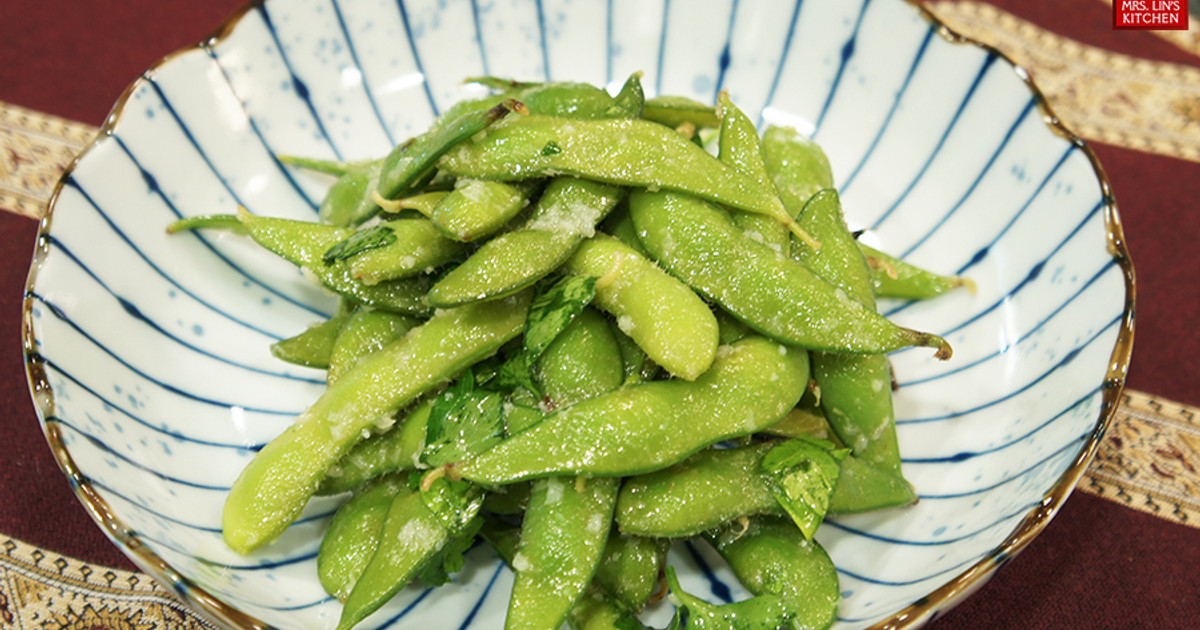
Salads & Bowls: Add shelled edamame to grain bowls, poke bowls, or mixed greens.
★おぺこやん★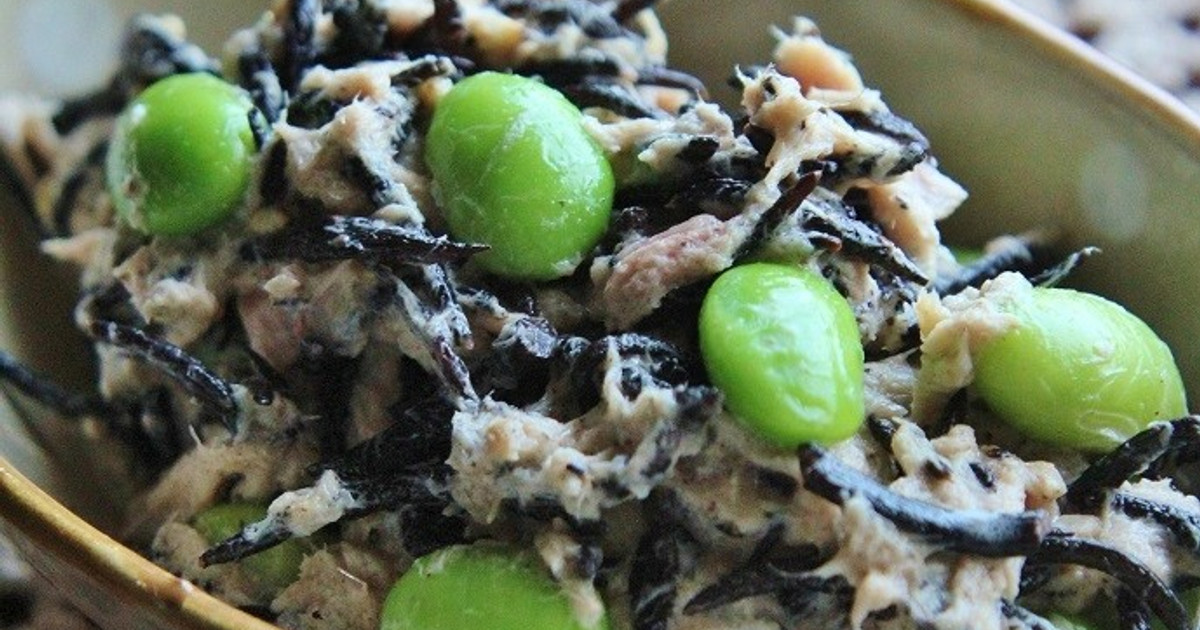
Blended: Make edamame hummus or spread it over toast for a protein-packed snack.
cookpad.japan
🔥 How to Cook Edamame (Frozen or Fresh)
Edamame is easy to prepare and takes less than 10 minutes.
👉 Boiling: Bring a pot of water to a boil. Add edamame (in pods or shelled). Boil for 4–5 minutes. Drain and sprinkle with sea salt or seasoning.
👉 Steaming: Steam pods over boiling water for 5 minutes. Season to taste.
👉 Sautéing: Toss cooked edamame with sesame oil, garlic, and chili flakes for a spicy take.
👉 Roasting: Roasted edamame is a crunchy, high-protein snack. Bake shelled edamame at 400°F for 20 minutes with olive oil and seasoning.
Brenda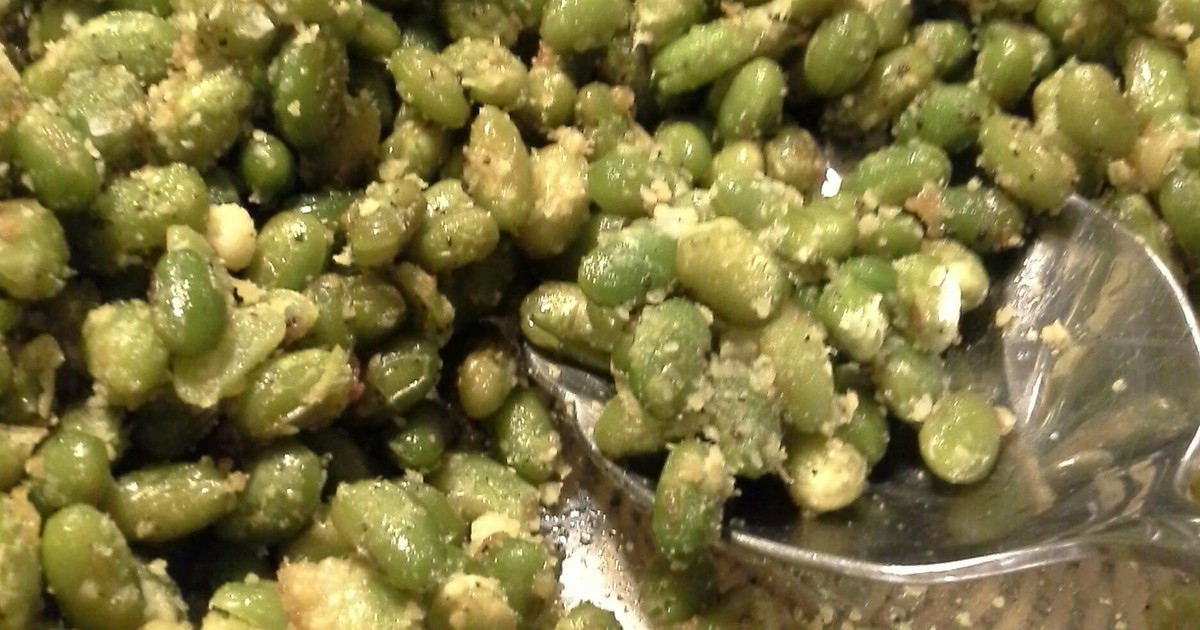
🥗 Delicious Edamame Variations
Frozen Edamame: Widely available, easy to cook, and retains all its nutrients.
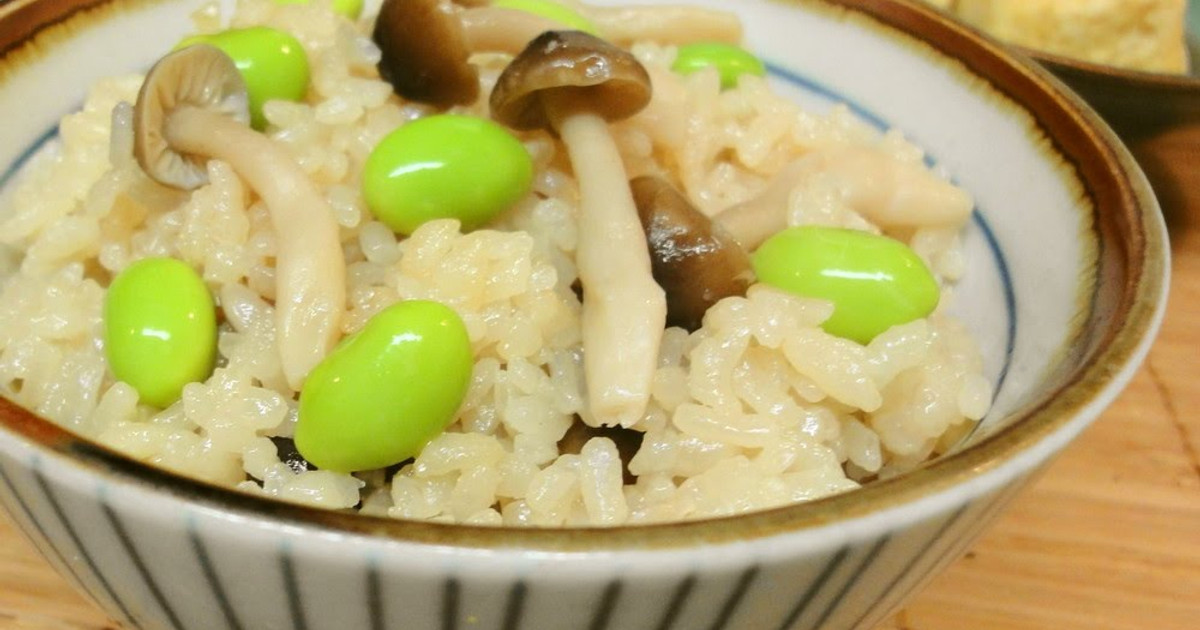
Spicy Edamame: Tossed with chili oil, garlic, or sriracha.
Lana Elzora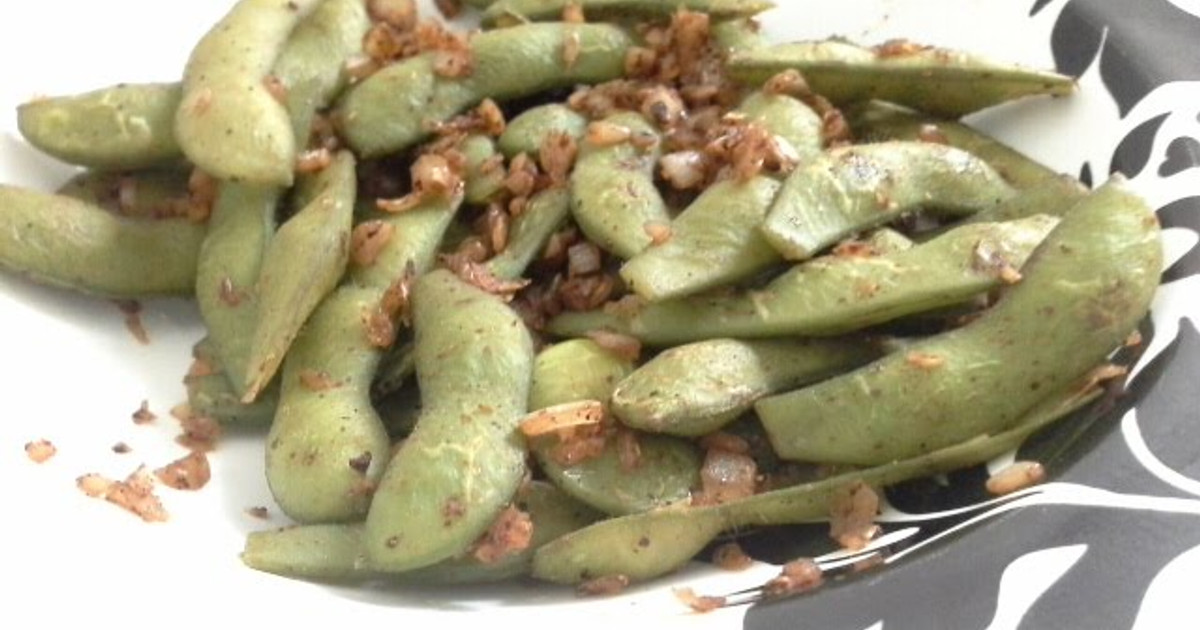
Edamame Salad: Mix with corn, quinoa, and lemon vinaigrette.
cookpad.japan
Edamame Hummus: A creamy, vibrant dip alternative to classic chickpea hummus.
Anita Val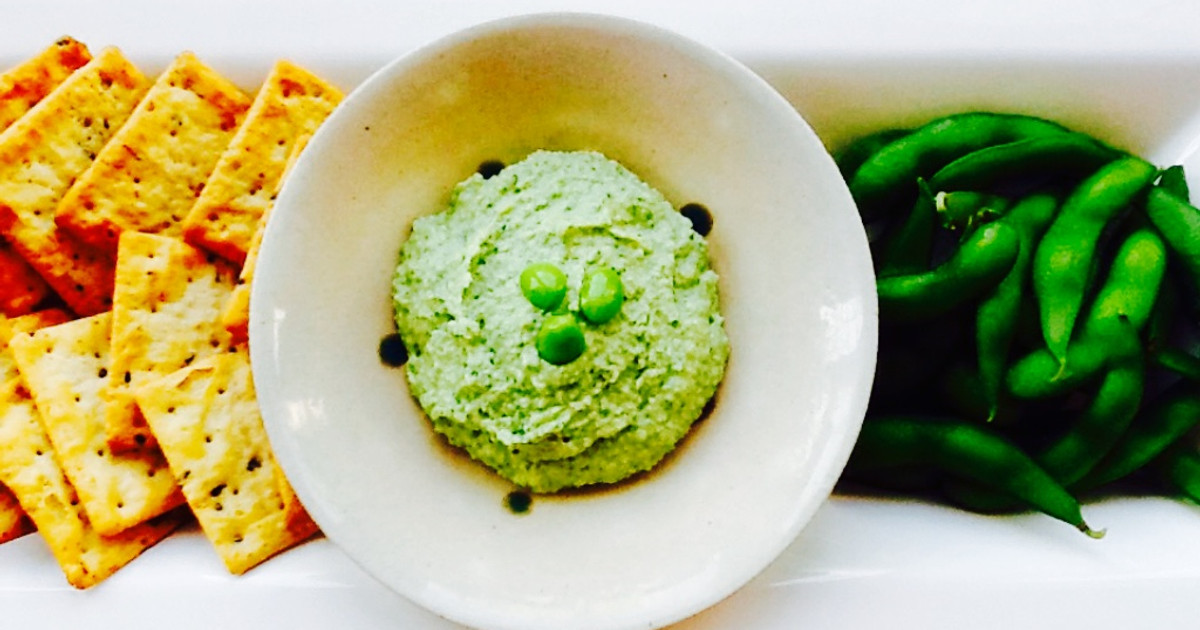
Edamame Pasta & Noodles: High-protein gluten-free options, perfect for low-carb diets.
Ella Woodcock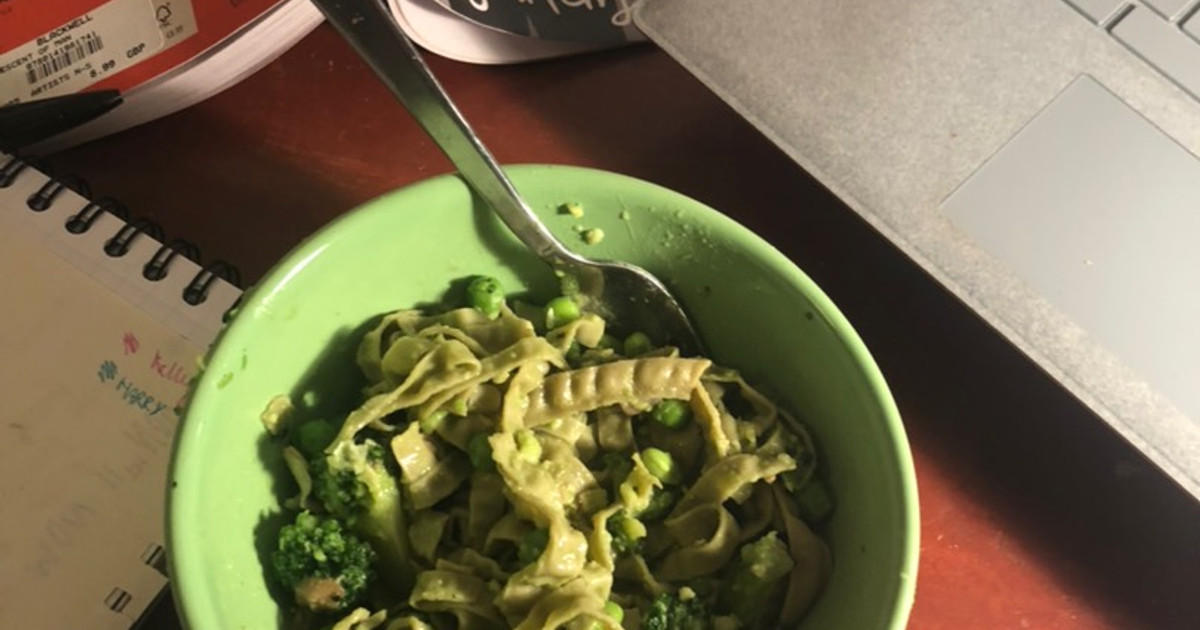 Yui Miles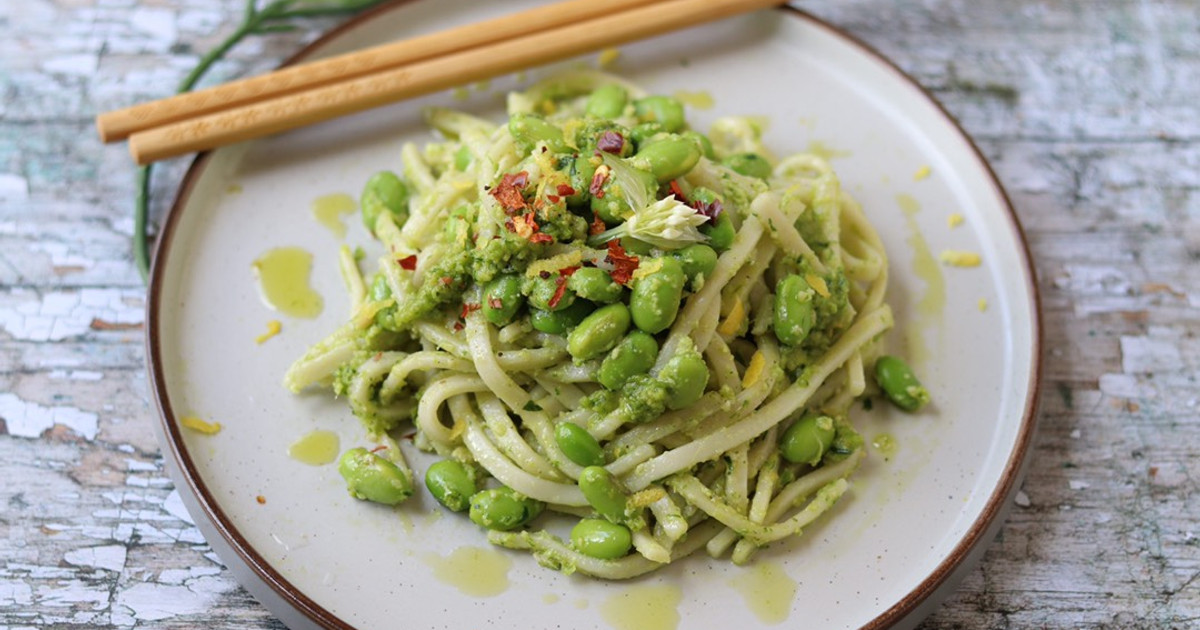
Edamame Ramen: Add them to your bowl for extra color, texture, and protein.
Robin Perry-Boston Kitchen
💪 Edamame Nutrition & Health Benefits
Edamame is a nutritional powerhouse:
- Protein: One cup contains ~18g of plant-based protein.
- Fiber: High in dietary fiber, supporting digestion.
- Vitamins & Minerals: Rich in folate, vitamin K, iron, and magnesium.
- Low in Calories: ~190 calories per cup.
- Low Carb Option: Edamame fits into low-carb or keto-style eating (in moderation).
Is Edamame Healthy? Yes! It’s cholesterol-free, heart-healthy, and suitable for vegan and vegetarian diets. It can help manage blood sugar, support weight loss, and keep you feeling full longer.
❓ FAQs About Edamame
What is edamame?
Edamame are immature soybeans eaten fresh or frozen. They're mild in flavor and packed with nutrition.
How do you eat edamame?
Boil or steam the pods, then pop the beans out with your teeth. Don’t eat the shell—it’s too tough.
How do you cook edamame beans?
Boil, steam, or sauté them for 4–5 minutes. Frozen edamame can be cooked straight from the bag.
Is edamame good for you?
Absolutely. It’s high in protein, fiber, and antioxidants while being low in calories and carbs.
Is edamame a vegetable?
Yes, it’s considered a green vegetable and a legume, though it’s also part of the soybean family.
Can you eat the skin or shell?
No—the pods are inedible. Only the inner beans are eaten.
Is edamame a vegetable or a soybean?
Technically, it's both! Edamame is a legume, like beans and peas. It's part of the soybean family, but unlike mature soybeans, it's eaten fresh or frozen.
Mukimame vs. Edamame
Mukimame refers to shelled edamame (beans without pods), often used in salads or stir-fries.
🥢 Final Thoughts
Edamame is a simple, healthy ingredient that fits into just about any meal or lifestyle. Whether you love it as a snack, a side, or the base of your new favorite hummus, it’s a must-have in any kitchen.
Love Japanese food? Explore more of our Japanese-inspired recipes and find your next favorite dish—from ramen to miso soup and beyond!

Related Recipes you'll love:
jenscookingdiary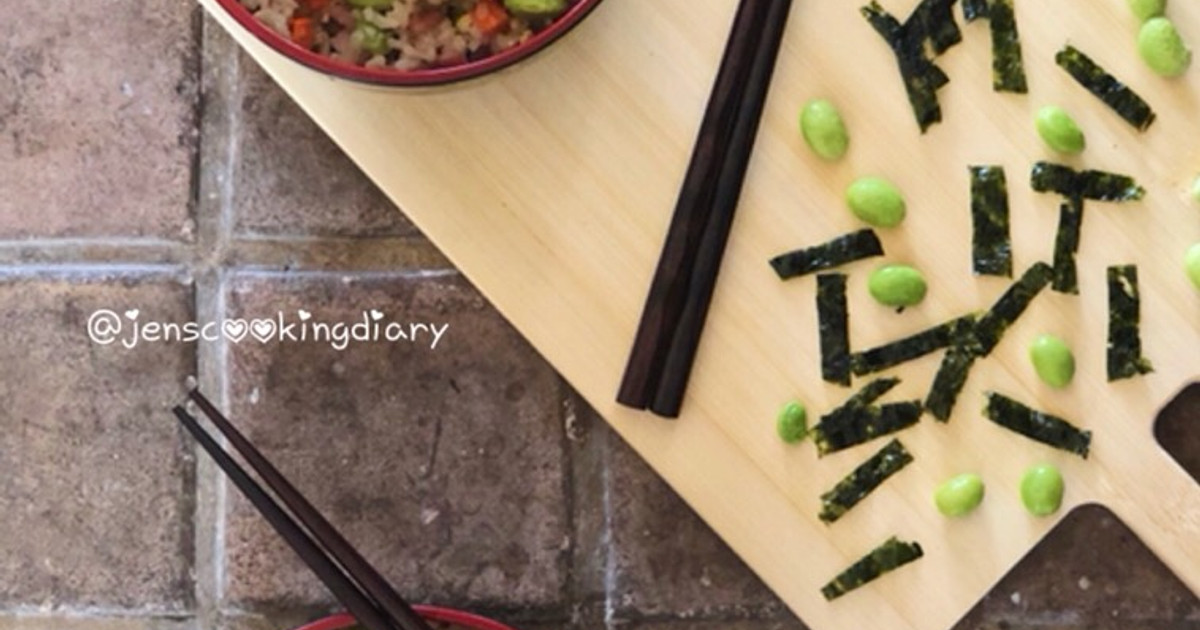 cookpad.japan
 cookpad.japan