

Wild Garlic, Nettles and Dandelions: wild green foods you can get for free in Spring!
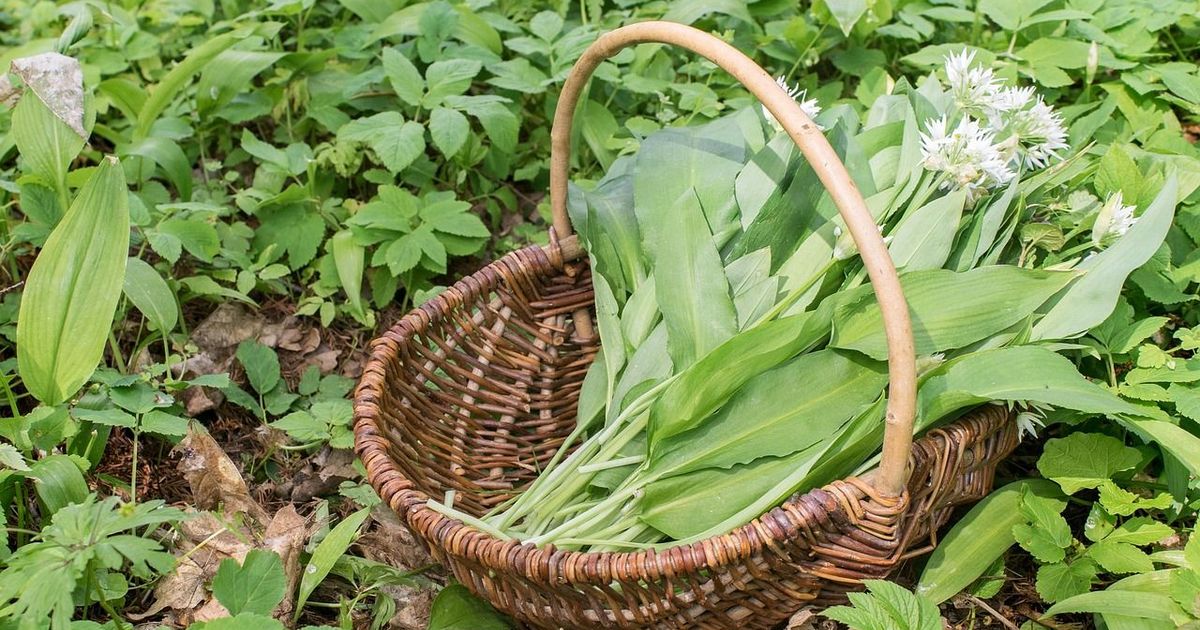
It’s early spring, a perfect season to start keeping your eyes out for fresh, wild foods, found both in urban and natural areas. Wild garlic, also called ramsons or bear’s garlic, is one of the most beloved springtime forage finds for its versatility in cooking, like a garlic-infused spinach. Originally from Europe, it was transferred over to the USA by colonists and now can be found across the country, especially in more Eastern states as well as the Pacific Northwest.
However, it’s not the only food that natures gives us for free in the spring… let’s dive into a few of our favorite foraged treats you can look for this season.
Wild Garlic
Wild garlic is related to onions, leeks and, of course garlic. It tastes similar to its kitchen-staple cousin but is sweeter and less pungent. However, unlike regular garlic you cook and eat the leaves, not the bulb and it can be used to replace spinach or other leafy greens in a number of recipes.
What to look for:
- long, deep green pointed leaves in an oval shape which grow from the plant base
- grows in large clusters together and won’t be taller than shin-high
- small white flowers on an upright, thin stalk
- a strong garlicky smell when the leaves are crushed
⚠️ Don’t confuse it with lily of the valley, which has similar looking leaves and flowers but isn’t edible. To tell the difference, lily of the valley has a drooped stem with small bell-like flowers. Also its leaves grow from the stem and not from the plant-base like wild garlic.
Use your nose to tell you you’ve foraged the right thing! Crush a leaf between your fingers and you should smell garlic. If it doesn’t smell of garlic, discard the leaves and wash your hands as soon as possible (or wear gloves). Always make sure you know the plant is edible before eating it and refer to foraging guides for more information.
How to cook it:
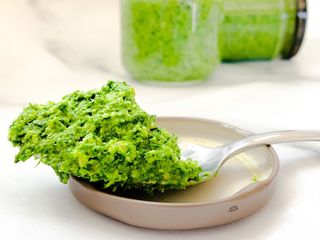
- Wild Garlic Pesto - Blend wild garlic leaves with olive oil, nuts, Parmesan (or a dairy-free alternative), and a squeeze of lemon for a fresh, vibrant pesto that’s perfect with pasta, fish or simply spread on some bread. Wild garlic pesto lasts for about 2 weeks in the fridge and tastes better a day or two after being made when the flavours settle.
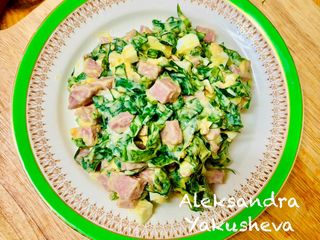
- Leafy Green Alternative - You can also treat wild garlic like a very fragrant spinach, replacing it in scrambled eggs, stews, pasta dishes and more.

Stinging Nettles
Don’t be put off by the sting - nettles are one of the most nutritious plants around, containing tons of vitamins and minerals as well as being a natural anti-inflammatory and anti-histamine (perfect for seasonal allergies!). Just make sure to wear gloves when collecting them to avoid the sting caused by the tiny hairs along the stems and leaves.
What to look for:
- tall, erect stems with square cross-sections, 3-8 feet high
- dark green, toothed leaves, grow in pairs on opposite sides of the stem
- dark green color and a slightly rough texture
- stinging hairs found along the stem and leaves (the hairs contain formic acid, causing the stinging sensation when touched)
- collect the top parts of the nettles which are younger and more tender
How to cook it:
- Like wild garlic, you can make nettles into a vibrant pesto - if you’re worried about the sting, simply blanch the leaves first in hot water which will deactivate the hairs
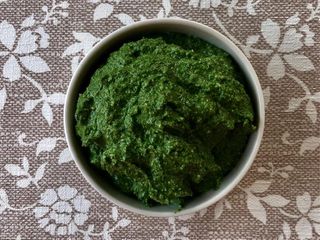
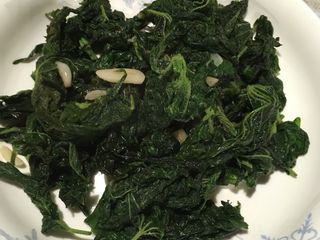
- Simply sautée them with garlic and olive oil for a nutrient packed side dish:
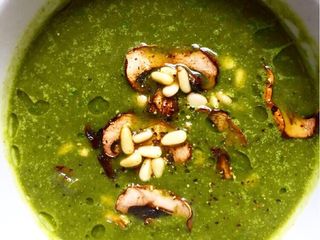
- Nettle Soup is another delicious way to use this nutritious wild food:

Dandelion Leaves
Named for the shape of their leaves (dante de leone in Italian means ‘lion’s teeth), dandelions are commonly seen as a weed but have actually been used in traditional medicine practices for centuries! The whole plant is edible, from the flowers to the roots, but we would recommend only eating plants found in less polluted areas (i.e. skip the ones found in cities) and giving everything you collect a good wash before eating!
What to look for:
- bright green leaves that are deeply serrated (like lion’s teeth!) growing in a circular or rosette shape
- stems will leak a milky white sap when broken
- bright yellow flowers with a fluffy texture growing in the middle of the leaves
- eventually these flowers turn into fluffy white seed heads (make a wish!)
How to cook it:
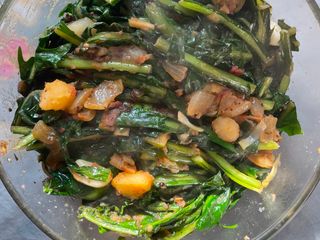
- Like nettles and wild garlic, you can use dandelion greens in a similar way to other leafy greens like spinach in salads, sautées, stews and more!
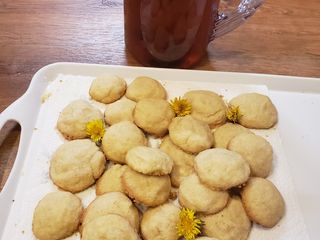
- You can also use the flower heads to make sweet treats, like cookies and syrup
⚠️ Foraging Tips ⚠️
Only collect foraged food if you are certain that you’ve correctly identified it. If you aren’t sure, get a second opinion from a local guide - or just don’t risk it!
Make sure to wash all your wild food very well before cooking. Avoid taking more than 1/3 of the wild food that you find - remember, you aren’t the only the one who might want to eat it!
If you try one of the wild food recipes in this blog post, or any on Cookpad, don’t forget to take a photo and share it on the recipe as a Cooksnap. We can’t wait to see how it turns out! 📷💖