

What to Do With Your Halloween Pumpkin: Guts, Seeds & Flesh 🎃
Turn fresh pumpkin guts into soup, fritters, or spiced bread, and roast the seeds. Includes recipes, storage tips, and guidance on carved pumpkins.
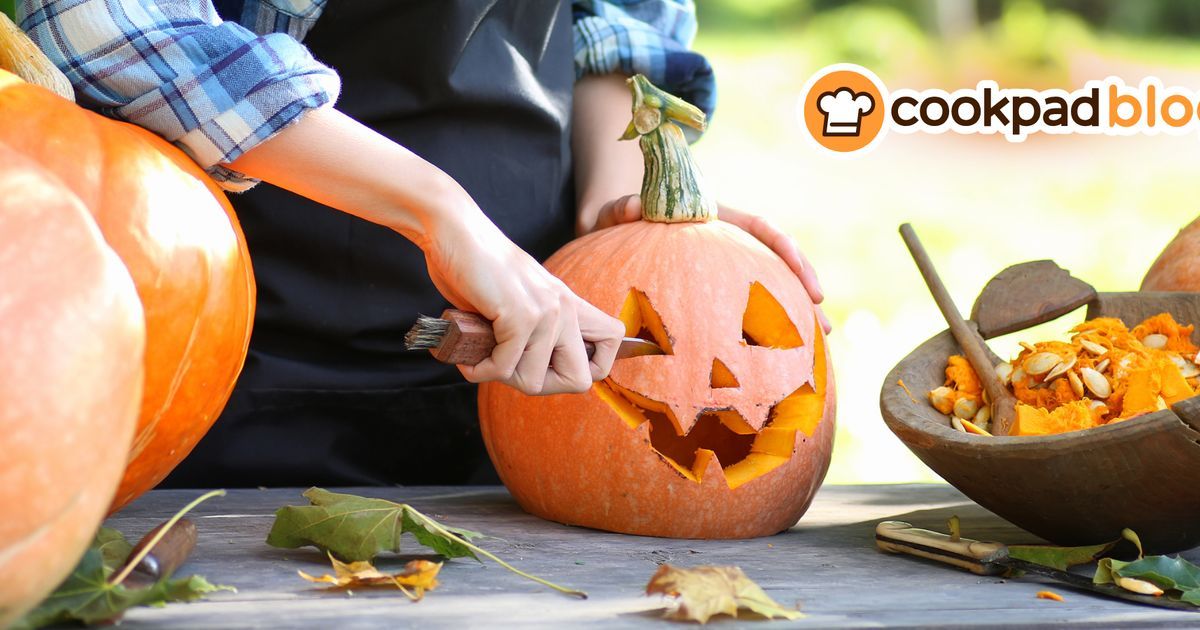
Fresh pumpkin guts can become a coconut-milk soup, savory fritters, or cinnamon-spiced bread. Separate out the seeds for roasting, and use the firm flesh in another meal. Set aside the fresh seeds, stringy fibers, and flesh before turning the pumpkin into a decoration.
A carved jack-o’-lantern that has been sitting on display needs a different plan. Start by deciding what belongs in the kitchen and what belongs in the compost.
Can you eat your Halloween pumpkin?
The variety and the way you’ve handled it both matter. A whole, uncarved pumpkin kept on the porch can be used for cooking if it’s still in good condition. Large carving varieties tend to have more watery flesh and stringier pulp than the smaller sugar or pie pumpkins sold for cooking.
If you’re carving a fresh pumpkin, wash its outside before cutting, then set aside the seeds and clean interior scraps for cooking before the shell becomes a decoration. Keep those ingredients separate from the finished lantern.
If the carved pumpkin has already been sitting outside as a decoration, choose the composting option below.
What are pumpkin guts, and which parts can you use?
“Pumpkin guts” often means the whole messy scoop of seeds and stringy pulp from the center. Separate it into parts before choosing a recipe:
- Stringy guts: the wet orange fibers around the seeds. Once the seeds are removed, these are the guts used in the soup, fritters, and bread below.
- Seeds: the pale, whole seeds you pull from those fibers. Clean and dry them for roasting.
- Flesh: the thicker, firmer wall beneath the skin. This is the part you can cook in chunks or turn into a smooth purée.
The distinction matters when baking. A recipe written for chopped fibers isn’t automatically interchangeable with one written for canned pumpkin purée. Start with a recipe that specifies the part you have.
Pumpkin guts recipes: soup, fritters, and spiced bread
These three Cookpad community recipes use the stringy interior itself. Choose soup when you want to blend the fibers, fritters for a savory fried bite, or bread for a sweet bake.
Blend the guts into coconut-milk pumpkin soup
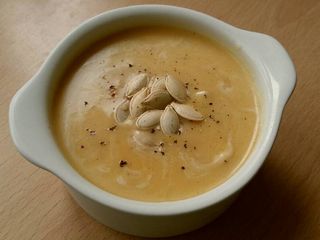
Vicky’s soup combines pumpkin fibers and scrapings with softened onion, stock, coconut milk, and nutmeg. Cooking and blending turn the stringy ingredients into a soup, while the coconut milk adds richness.
This recipe is useful when you have a generous bowl of scrapings: it calls for 1,000 grams and makes six servings. Check your quantity before starting. Use vegetable stock if that suits your meal, and follow the recipe’s cooking and blending steps before adding the coconut milk.
For other varieties and flavor combinations, browse pumpkin soup recipes. Check whether each recipe uses firm flesh or purée; the recipe above specifically uses the stringy guts.
Make savory pumpkin-gut fritters
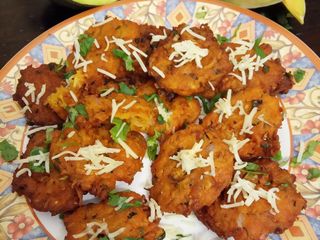
Shuchi Jain’s pumpkin belly fritters combine the fibers with onion, garlic, green chilies, cumin, and a little grated cheese. Rice flour and chickpea flour, also called besan, help bring the mixture together.
The recipe uses two cups of pumpkin innards. Remove the seeds and chop any long fibers, as the author directs, before mixing. Flatten the portions and fry until golden on both sides. Serve hot with your choice of sauce: this is a different way to use the fibers when you want texture rather than a blended soup.
Bake pumpkin guts into cinnamon-spiced bread
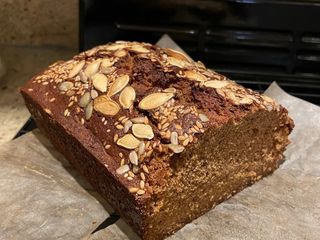
Genna’s Pumpkin Guts Bread uses fresh, chopped strings with cinnamon and nutmeg. Seeds or chopped nuts finish the top, giving the soft loaf a contrasting bite.
The recipe calls for two cups of guts and makes two loaves, so check your bowl and your loaf pans before mixing. Chop the fibers into small pieces so they distribute through the batter. Allow for about an hour of baking, checking doneness as directed, plus cooling afterward—the listed time isn’t the whole process from pumpkin to slice.
Have cooked pumpkin purée instead of fibers? Explore pumpkin bread recipes and choose one that calls for the ingredient you have.
What to do with pumpkin seeds after carving
Use the seeds you set aside from the fresh pumpkin. The whole seeds in your bowl have a pale outer shell; recipes using shelled pepitas may call for a different method, so check which kind a recipe needs.
For roasting, work through the preparation in order:
- Separate: pull the seeds away from the stringy pulp, reserving the fibers for a recipe above.
- Clean: rinse away the clinging pumpkin pieces.
- Dry: remove surface moisture before adding oil to help the seeds roast evenly.
- Season and roast: follow one recipe’s quantities, temperature, and timing rather than combining parts of different methods.
Momokaki’s recipe keeps the seasoning simple with extra-virgin olive oil and salt. It roasts the seeds at 300°F until light golden brown, about 30–45 minutes. Let them cool before packing them away.
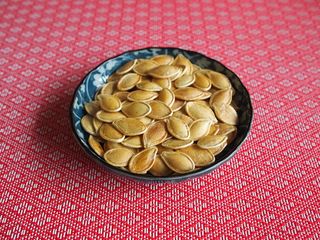
For different seasonings, browse more roasted pumpkin seed recipes. Check the quantities and roasting instructions in the recipe you choose.
What to do with fresh pumpkin flesh
Fresh, firm flesh from a suitable pumpkin can be cooked until tender, then mashed or blended into purée. Smaller sugar or pie pumpkins are a better choice when buying specifically for eating; large carving varieties can give a more watery result.
Choose a recipe that specifies fresh pumpkin or homemade purée, and follow its preparation instructions. A pumpkin pie, muffin, or loaf written for canned purée may need a different consistency from the pumpkin you’ve just cooked. The guts bread above is specifically written for chopped fibers.
For ideas beyond the carving bowl, explore our pumpkin recipes for bread, soup, muffins, and more.
How to store cooked pumpkin and purée
Cool and refrigerate plain cooked pumpkin promptly, and use it within three to four days. That guidance applies to the cooked pumpkin, not to a bowl of raw guts or a carved lantern.
To freeze purée, cook the flesh until soft, mash it, cool it, and pack it in freezer bags or containers. Label the portions with their contents, amount, and date so you can choose what a future recipe needs.
Once you’ve turned pumpkin into soup, bread, or fritters, follow the storage instructions appropriate to that finished dish and its other ingredients.
When composting is the better option
A pumpkin that has finished its job as a jack-o’-lantern can still have a useful next step. Illinois Extension’s pumpkin composting guidance explains how pumpkins can be collected for composting and emphasizes removing candles, ribbons, paint, and other non-organic materials.
Check what your local composting or food-waste service accepts, especially if the pumpkin was decorated. Local collection rules vary; a program in one state isn’t a nationwide disposal instruction.
More Halloween ideas from Cookpad
Planning the party before you carve? Use our Halloween party food ideas, menus, appetizers, and drinks to put the spread together. For individual themed snacks and bakes, explore sweet, savory, and scary Halloween treats to make at home.
Made one of these recipes? Share a Cooksnap on the recipe page to show the author how it turned out.
Have your own way to use fresh pumpkin guts, seeds, or flesh? Share your recipe on Cookpad and help another home cook put their pumpkin to use.